


Al-Corn expansion ‘moving right along’
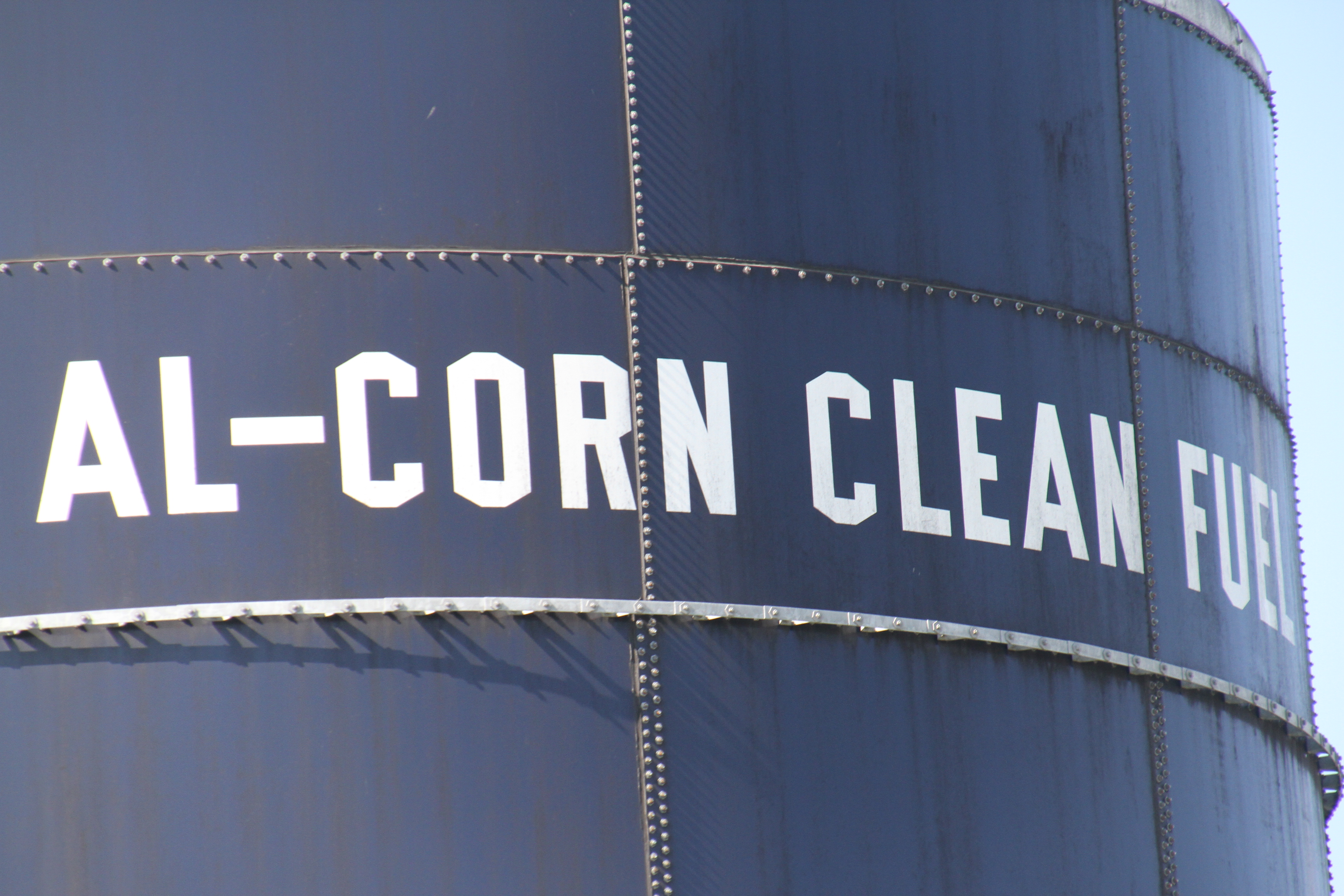
Al-Corn CLean Fuel CEO Rany Doyal said he's waiting for general contractor McGough Construction to get comfortable with its current project, expanding Al-Corn's ethonal plant near Claremont.
“I got a call from Tim Dunnwald (McGough’s general manager for industrial projects), and he said, ‘Rand, I think we’re there,’” Doyal said. “I gave him about 10 seconds and I said, ‘Are you done yet?’ I do that almost every day.”
All joking aside, St. Paul-based McGough is moving briskly on Al-Corn’s largest expansion, which began in mid-December.
The $146 million project will add about 70 million gallons of ethanol to the company’s annual output, pushing it to about 120 million gallons.
Crews worked around the clock to build a Dried Distiller’s Grain silos and hammermill structure (the hammermill grinds corn into flour).
There also will be future sites for ethanol holding tanks, a dryer, and a regenerative thermal oxidizer (industrial equipment used to treat exhaust air).
Doyal hopes the project can be complete in April, 2018 – three months ahead of schedule.
“I’m looking forward to it,” he said. “The whole goal is to be able to return more to our members. Right now we’re not returning very much because we’re sinking it all into this project. But the benefit when this is up and running is going to be pretty substantial.”
“It’s a heck of a big project, not only for the company but for the county and for southeastern Minnesota,” Al-Corn plant manager JP Parenteau said. “So far, so good. We’re moving right along and we’re right on track.”
The expansion will place Al-Corn among the state’s leaders in ethanol production. The Guardian Energy plant at Janesville is producing about 140 million gallons per year, while Green Plains (Fairmont) and Heartland Corn Products (Winthrop) are each producing about 105 million gallons per year.
Al-Corn, formed as independent farmer-owned cooperative in 1994, has grown from about 375 members to about 450.
Doyal said the company added about 88 cents in cash to each bushel of corn delivered by members over the past 20 years, even as output grew from 10 million to the current 50 million gallons per year.
“The hope was to get something approaching the Chicago price of corn. And we blew well past that,” he said. “That’s an awfully good deal for somebody here in southern Minnesota. Now we’re building for the next 20 years.”
The company currently ships its ethanol to the Twin Cities, but Doyal said he’s also looking at East Coast markets.
“We’re producing well more than the amount of ethanol consumed in the United States. We’re dependent on exports to help relieve some of that,” he said. “But even at that, we still have more capacity than market. That means that, somewhere out there, plants have to slow down or shut down. We don’t want to be in that group.”
Al-Corn officials are “forward-thinking” and understand the market and dynamics, and how to continue to bring added value, strategic consultant Dave Ladd said.
“The fact that they move forward and are going to the next step, I think it’s going well,” he said. “And I think it all starts with the desire to be a leader.”